Amaryllidaceae
Garlic
Allium sativum
✓ Generally Safe
Caution in Pregnancy
Native to: Central Asia, Northeast Iran
Also known as: Common Garlic, Stinking Rose, Ajo
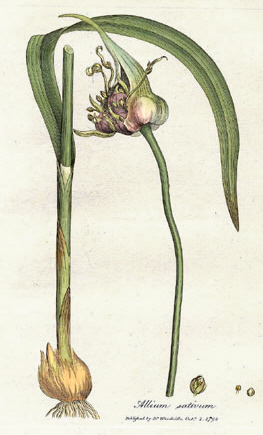
Wikimedia Commons / CC BY-SA
Parts Used
Bulb
Therapeutic Uses
Hypertension (modest effect — meta-analyses confirm), hypercholesterolemia, atherosclerosis prevention, respiratory infections, Candida, H. pylori, MRSA (topical), intestinal parasites. One of the most studied medicinal plants globally.
Herbal Actions
Antimicrobial, antifungal, antiviral, hypotensive, hypolipidemic, antiplatelet, immunostimulant, hepatoprotective, anthelmintic
Active Constituents
Alliin (converted to allicin by alliinase when crushed), diallyl disulfide, ajoene, S-allylcysteine (SAC), quercetin, saponins
Preparation Methods
☕ Herbal Tea🏺 Tincture💊 Capsule
Traditional Preparation Notes
| Herbal Tea | 2–3 raw crushed cloves daily OR steep 3 cloves in 250ml water 5 min, drink daily |
| Tincture | 2–4 ml (1:5, 40% ethanol), 3x daily |
| Notes | Crush garlic and wait 10 minutes before cooking to activate alliinase (allicin formation). Aged garlic extract (AGE): 600–1500mg daily — odorless, standardized. Raw garlic most active but poorly tolerated by many. |
Safety Information
Safety Rating
✓ Generally Safe
Pregnancy
Caution in Pregnancy
Drug Interactions
⚠ Known interactions
Contraindications: Avoid high doses before surgery (antiplatelet effect). Caution with anticoagulants (warfarin, aspirin), antihypertensives, HIV drugs (may reduce saquinavir levels).
Side Effects: GI upset, halitosis, body odor, heartburn, flatulence. Contact dermatitis. Burns with topical application.