Fabaceae
Astragalus
Astragalus membranaceus
✓ Generally Safe
Caution in Pregnancy
Native to: China, Mongolia, Korea
Also known as: Huang Qi, Milk Vetch, Yellow Leader
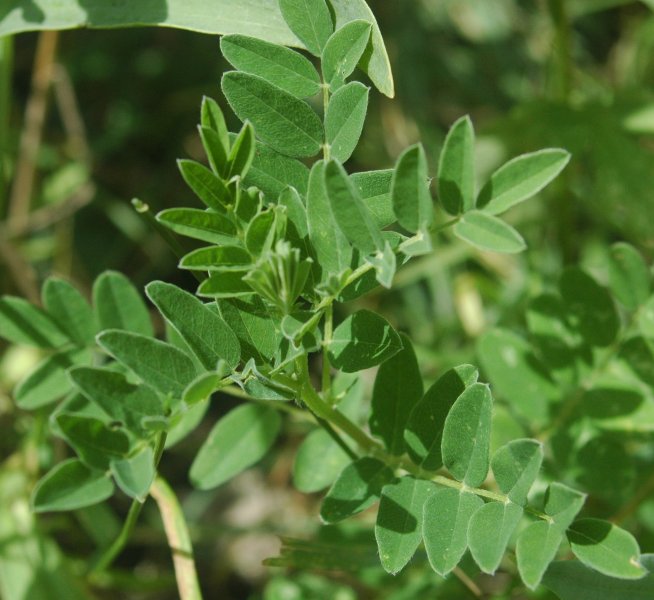
Wikimedia Commons / CC BY-SA
Parts Used
Root
Therapeutic Uses
Immune deficiency, chronic fatigue, frequent infections, chemotherapy support, heart failure (adjunct), diabetic nephropathy, hepatitis. One of the most important herbs in Traditional Chinese Medicine for immune enhancement and longevity.
Herbal Actions
Immunomodulator, adaptogen, cardiotonic, antioxidant, antiviral, diuretic, tonic
Active Constituents
Astragalosides (I–IV), cycloastragenol, polysaccharides (astragalans), flavonoids (formononetin, calycosin), saponins
Preparation Methods
🍵 Decoction🏺 Tincture💊 Capsule
Traditional Preparation Notes
| Herbal Tea | 9–30g dried root simmered 45 min in 500ml, drink 2–3x daily |
| Tincture | 4–8 ml (1:5, 40% ethanol), 3x daily |
| Notes | Standard extract: 250–500mg (standardized to 16% polysaccharides) 3x daily. Best used long-term (months). Traditionally added to soups and broths. |
Safety Information
Safety Rating
✓ Generally Safe
Pregnancy
Caution in Pregnancy
Drug Interactions
Possible — consult doctor
Contraindications: Avoid with immunosuppressant drugs (transplant patients). Caution with acute infections (use after, not during). May interact with lithium.
Side Effects: Rare GI upset. Generally one of the safest immunomodulating herbs with excellent long-term tolerability.