Asteraceae
Echinacea
Echinacea purpurea
✓ Generally Safe
Consult Doctor
Native to: North America
Also known as: Purple Coneflower, American Coneflower
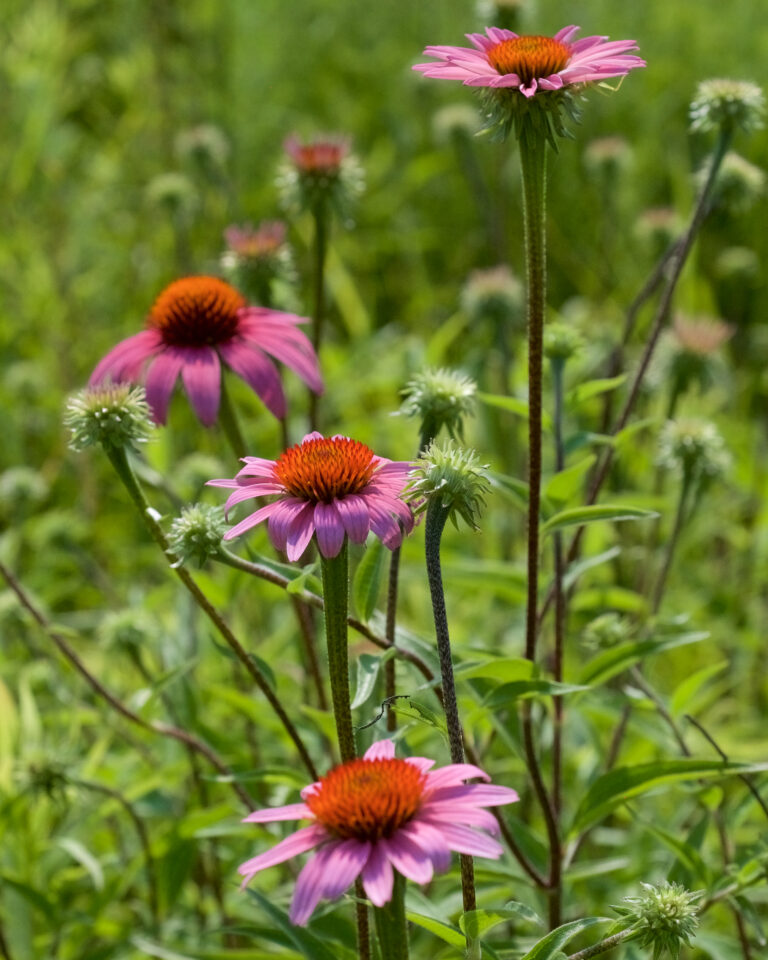
Wikimedia Commons / CC BY-SA
Parts Used
FlowerRootStem
Therapeutic Uses
Prevention and reduction of duration of upper respiratory infections, common cold, influenza. Meta-analyses confirm ~35% reduction in cold incidence with prophylactic use.
Herbal Actions
Immunostimulant, antiviral, anti-inflammatory, antimicrobial, lymphagogue
Active Constituents
Alkylamides, polysaccharides (echinacin), glycoproteins, caffeic acid derivatives (echinacoside, cichoric acid)
Preparation Methods
☕ Herbal Tea🏺 Tincture💊 Capsule
Traditional Preparation Notes
| Herbal Tea | 2 tsp dried herb per 250ml, steep 15 min, 3–5x daily at onset of illness |
| Tincture | 3–5 ml (1:5, 60% ethanol), 3–5x daily acutely; 3x daily prophylactically |
| Notes | Optimal use: high dose at first sign of illness for 7–10 days. For prevention: 2–3x daily continuously. Short breaks recommended (8 weeks on, 1 week off). |
Safety Information
Safety Rating
✓ Generally Safe
Pregnancy
Consult Doctor
Drug Interactions
Possible — consult doctor
Contraindications: Theoretical concern with autoimmune conditions and immunosuppressant drugs (no clinical evidence of harm). Avoid in Asteraceae allergy.
Side Effects: Occasional GI upset, rash. Tingling sensation on tongue from alkylamides is normal and indicates quality.